
UGC NET Paper 1 2027: Best Books for Teaching Aptitude, Research Aptitude and Previous Year Questions

Preparing for UGC NET Paper 1 requires more than memorising definitions and reading short notes. The paper tests how well candidates understand teaching and research concepts, interpret information, apply reasoning and connect ideas from different areas. A good book should help with all these tasks, not simply provide a collection of facts.
For candidates preparing for the 2027 examination, choosing the right UGC NET Paper 1 books is a useful first step. Teaching Aptitude and Research Aptitude deserve particular attention because both involve concepts that are easier to understand through examples. Previous-year questions are equally important because they show how those concepts are tested.
Here is a practical guide to selecting books and using them effectively.
Know What Paper 1 Covers Before Buying Books
UGC NET has two papers. Paper 1 is common to all candidates, while Paper 2 is based on the subject selected by the candidate.
According to the NTA June 2025 Information Bulletin, Paper 1 contains 50 objective questions carrying 100 marks. Each correct answer receives two marks, and there is no negative marking for incorrect answers. Both papers are conducted in a combined three-hour session without a break.
The official UGC syllabus page lists the General Paper on Teaching and Research Aptitude as Paper 1. There are 10 sections to this paper:
-
Teaching Aptitude
-
Research Aptitude
-
Comprehension
-
Communication
-
Mathematical Ability
-
Logical Reasoning
-
Data Interpretation
-
Information and Communication Technology (ICT)
-
People, Environment and Development
-
Higher Educational System
You should ensure that you have the most up-to-date syllabus from the official UGC NET syllabus page. Updates to the exam can be found on the NTA UGC NET website. Once the notification and information bulletin for 2027 is published, make sure to check to ensure nothing has changed from previous years.
Teaching Aptitude: Choose a Book That Explains Classroom Situations
To understand this paper, it helps to understand how the knowledge applies in the classroom. While books with very short definitions may be useful for quick revision, you may struggle to make sense of application questions.
Ensure that the book you are using covers:
-
Teaching aims and features
-
Learner characteristics and differences
-
Factors affecting teaching
-
Methods of teaching and communication in class
-
Support in teaching
-
Assessment methods
For example, it is important to understand what learner centred teaching means, and how it differs to teacher centred teaching. Furthermore, know what classroom contexts would suit each method.
A good book to use for this section should provide clear explanations, examples and questions to test your knowledge. Bullet point summaries in between sections can be useful to support you in revising quickly.
Research Aptitude: Focus on Understanding the Research Process
This can seem complex if you have never undertaken a research project. However, if the topics are considered in the right order, this paper should be manageable.
Find a book that gives an overview of the research process, from discovering a problem and gathering data in order to analyse and present findings.
Ensure that the book covers:
-
Definitions of research, types of research and features of research
-
Research methods
-
Steps of research
-
Hypothesis and variables
-
Sampling methods
-
Collecting and interpreting data
-
Writing thesis/articles
-
Ethical practice and plagiarisms
Try to understand the flow of the research steps. For example, understand why certain samples were chosen by researchers, what methods of data collection were used, and what purpose the hypothesis served.
Check that the book explains research terms in simple language using examples. Questions with explanations in the answer will be very useful to determine why one answer was the most suitable.
Previous-Year Questions: A Useful Way to Test Your Understanding
By completing previous years’ questions, you gain an insight into how the topics would be tested in the exam. It will also give you an indication of what areas you may want to revise further.
Consider the quality of the book. If you are considering a book containing solved papers, then make sure:
-
Year-wise organisation: Papers are clearly organised by year so that it is easy to understand what exam session/year the paper is from.
-
Correct answer keys: Answers are clearly explained where possible.
-
Syllabus relevance: Questions match the syllabus in a way that makes revision easier.
-
Readable presentation: Questions are easy to read. Good formatting and spacing makes it easier to attempt questions and understand solutions.
-
Edition details: The publication date and dates of the exams included in the book. Just because a book has been published recently, it doesn’t mean that it contains all the questions required. Make sure that the book contains up to date questions.
Even if you have answered the question correctly, try to read the explanation. This is useful as even though you got the correct answer, you may have just guessed, or not fully understood how to answer. Knowing why an answer is correct means that your revision is more effective.
One Paper 1 Book or Separate Subject Books?
It depends on your level of preparation.
A single resource for Paper 1 may be useful. It can help you understand all the sections of the syllabus in order. It makes it easy to revise multiple topics from one book.
However, separate books may be useful if you wish to focus on more specific sections. For example, if you understand teaching concepts well, but find research methods difficult, using a more detailed resource for research may be better for you.
However, you do not necessarily need to get all types of books. First consider the syllabus, and decide which topics you require extra information and practice on.
How to Use Your Books Without Making Preparation Complicated
Follow this process with your books to make the most of them.
Within one topic, read the information given. Write bullet points of key terms, differences and examples. Then answer the questions related to this topic. After, look over the questions and see which ones you got wrong. Revisit the section on this topic in your book.
For example, after learning about sampling methods, try some questions on probability and non-probability sampling. If you find you have confused two methods, write down what the difference is in your revision book, and come back to it later.
Complete past papers regularly. This can help to see if you are improving within each section.
As there is no negative marking within the official exam (June 2025), try to make educated guesses. However, make sure to check the latest information bulletin (2027) to make sure this is still the case.
Books Available to Buy from Radian Books
Within their UGC NET range, Radian Books offer a resource on NTA UGC NET/SET/JRF Paper-1: Solved Papers with Environmental Science and Maths. It is a 2023 Hindi version.
If you are interested in this resource, make sure to check all the details within the description. Check the edition, language, topics covered and past papers included. Ensure that this book is suitable for your current revision by checking the content. Just because it is an older edition does not mean that it covers all necessary updates for 2027.
Explore this range of UGC NET Paper 1 books to view this resource and its details.
Final Thoughts
Choose a good resource for Paper 1 to make concepts easier to understand. Ensure that you have thoroughly considered Teaching and Research Aptitudes. Use past questions to check your understanding, and refer back to the official syllabus.
Avoid buying too many similar books. Find resources that complement each other. Having a clear guide, accurate questions and regular revision can make your revision much more systematic.
Before buying any books for the 2027 exam, double check the edition and content to ensure it matches with the most recent official syllabus and exam notification. Doing so can help you pick resources that will be really useful in your revision.
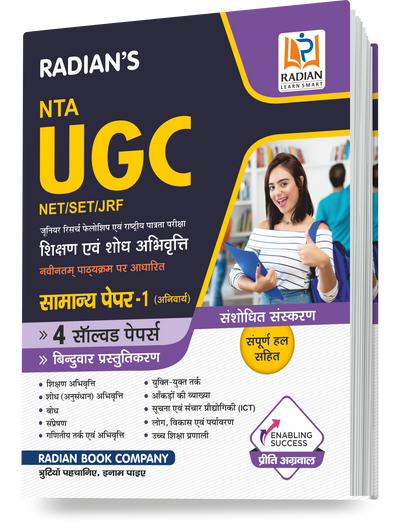
NTA UGC NET/SET/JRF Paper-1 | Solved Papers with Environmental Science & Maths | Hindi (2023)
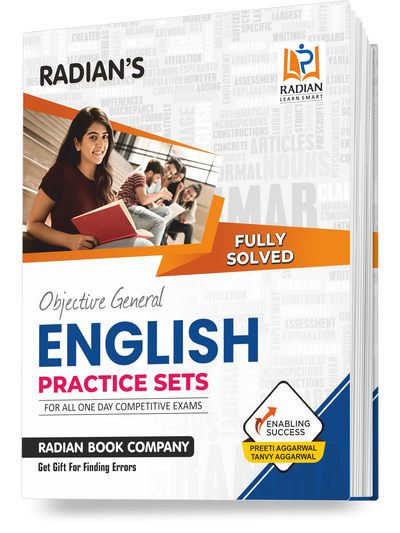
Objective General English Practice Set Book | SSC, Banking, PO, Railway, Defence Exams & Others
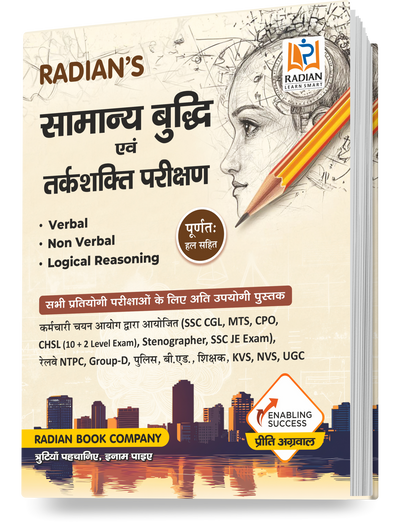
Samanya Buddhi Evam Tarkshakti 2025 (Hindi) | QR Video Solutions | Complete Reasoning Guide
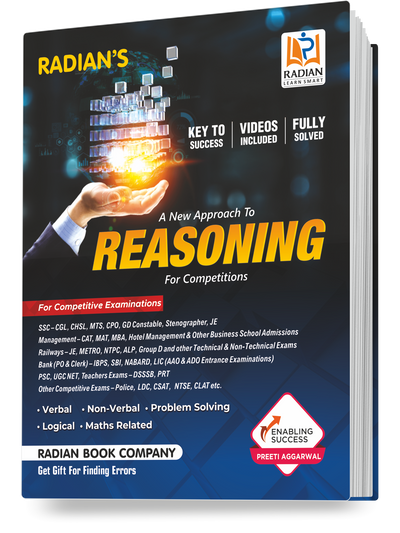
Reasoning Book (RFC)| Verbal, Non-Verbal & Logical | SSC, Banking, Railway (English Medium)
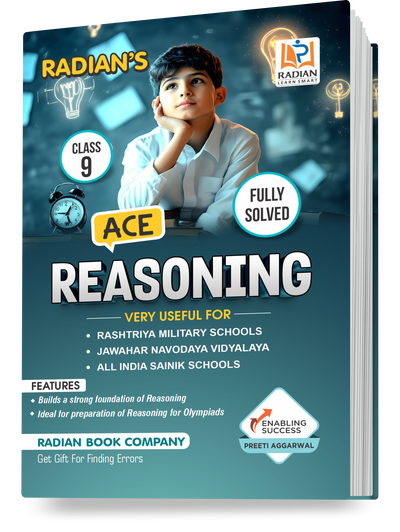
Ace Reasoning Book Class 9 | Entrance Exams 2026 Sainik School, JNV, RMS & Other Comptetive Exams
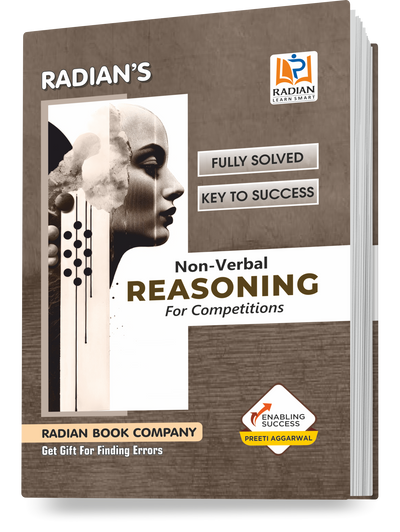
Non-Verbal Reasoning Chapter-Wise Book (2025) | Fully Solved for All Competitive Exams
